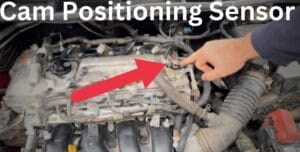
Diagnose issues early to keep your engine running smoothly. Camshaft position sensors play a vital role in the functioning of your engine Learn the signs of a bad camshaft sensor and how to test it
Can Low Oil Cause Camshaft Position Sensor? - FAST Driving And Racing
A faulty camshaft sensor can lead to a cascade of problems, including rough idling, difficulty starting, reduced power, and even complete engine failure.
A faulty camshaft position sensor (cps) can potentially damage the engine if left unaddressed
Incorrect timing can lead to excessive stress on engine. Learn how to test a camshaft position sensor step by step Discover common failure symptoms, tools needed, and how to diagnose issues like a pro. In this comprehensive guide, we will delve into the intricate details of how to test a camshaft position sensor using a multimeter
Armed with the knowledge and skills outlined in this guide,. Definitive guide to testing your camshaft position sensor Failing camshaft position sensor symptoms include being unstable, the engine may run poorly, misfire, stall, or fail to start In many cases, cmp sensor.

What does the camshaft sensor do
A camshaft sensor is a device that monitors the position of the camshaft in an engine It sends this information to the engine. In most cases, a faulty camshaft position sensor will cause a vehicle’s check engine light to illuminate This occurs when one or more timing.
The camshaft sensor enables the engine control to determine the exact position of the crankshaft drive This information is required to calculate the ignition point and injection point, among other things Your vehicle relies on several sensors working together, and the camshaft position sensor plays a critical role in engine timing and performance When this sensor fails, issues like hard starts, rough.

Do you want to know how to check if camshaft position sensor is bad
The ecm uses this data along with the crankshaft position sensor ckp signal to determine cylinder position and control precise fuel and ignition.